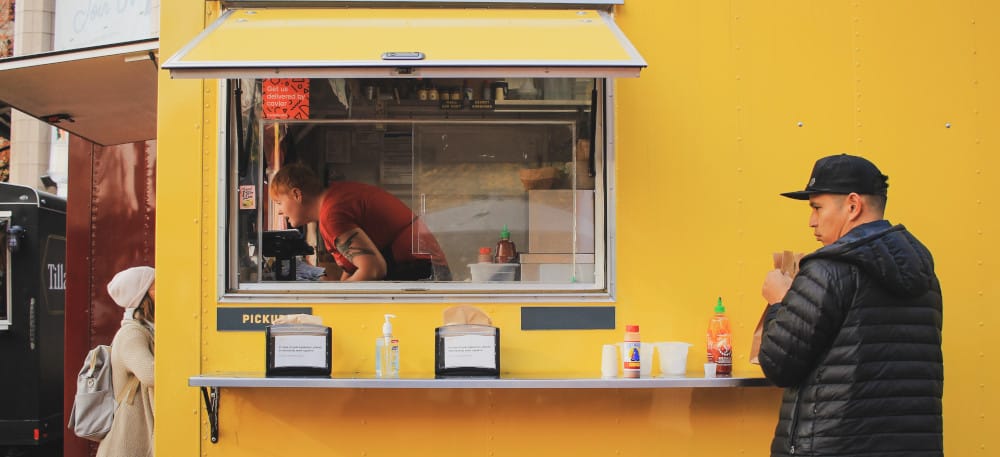

Are you wondering how to design the interior of a trailer so that it perfectly meets the requirements of your business? A well-prepared design of a food trailer interior is the key to smooth operation, compliance with sanitary standards, ergonomic workflow, and meeting customer expectations. For mobile service points, not only aesthetics matter but above all the practical equipment of the food truck, tailored to the business profile and current regulations.
From Idea to Design – How to Define Your Business Needs?
Before you decide how to design your trailer’s interior, it’s worth carefully analyzing the nature of your business. In the food industry, it is essential to meet sanitary regulations, take into account the number of employees, and adapt the trailer to specific production processes. The design of a food trailer interior should be based on a technological plan that includes a functional layout, necessary installations, and legal requirements. At the concept stage, it’s a good idea to consult with the manufacturer to avoid costly modifications and to ensure compliance with applicable standards right from the start.
Food Trailer Interior Design – Key Layout Elements
An effective food trailer interior design relies on a logical division of space into zones: preparation, processing, serving, dishwashing, and storage. Their arrangement should reflect the sequence of operations, which improves ergonomics and shortens service time. The interior must meet sanitary requirements, both in terms of materials used and the necessary spacing between equipment. A well-planned layout not only increases safety but also enhances efficiency when working within the limited space of a food truck.
Ventilation, Lighting, and Utilities – Technical Requirements
If you’re wondering how to design the interior of a trailer, you cannot overlook technical aspects. Efficient ventilation is essential when working with food and heating equipment. Proper task lighting ensures comfort and safety, while decorative elements help build the brand’s atmosphere. It’s also crucial to plan utility connections: electricity, gas, and water. Every piece of food truck equipment must match the available power capacity, and clean and wastewater tanks must comply with local regulations. Properly prepared technical facilities ensure smooth operation and compliance with the law.
When considering how to design a trailer’s interior, remember that every element should be carefully thought out and tailored to your business specifics. A well-designed food trailer interior is an investment that translates into comfortable work conditions, compliance with health and safety standards, and a positive customer experience. For food trucks and other mobile service points, it’s worth focusing on ergonomics, intuitive equipment placement, and making full use of the available space.