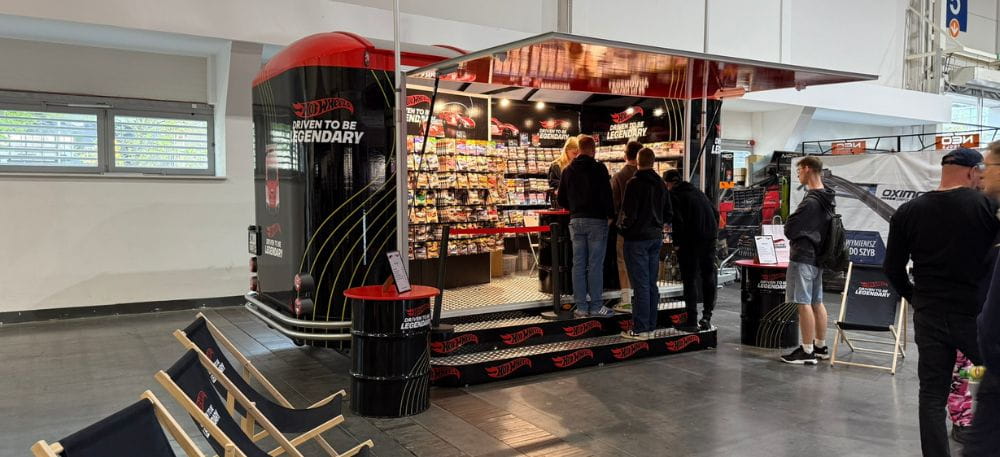

The mobile food industry is attracting more and more people who dream of running their own business without investing in a permanent location. A food trailer is a great option to begin with, but before making a decision, it’s worth carefully analyzing the operating costs of a food trailer. These costs often determine whether the business will be profitable.
Fixed Costs of Running a Food Trailer
One of the most important elements are fixed expenses, which you incur regardless of whether your sales are high or low. These primarily include:
- Fees for parking space – if you operate in a fixed location, you need to account for rent or a daily fee. In the case of events, there are additional costs for renting space at festivals or fairs.
- Utilities – gas, electricity, and water are basic costs of running a food trailer.
- Insurance – covers both the trailer and the food business. It is an important element of securing your business.
- Accounting – even for a sole proprietorship, it is worth including the cost of an accounting office.
Food Truck Costs Related to Operation
In addition to fixed expenses, there are variable costs that depend on the intensity of work and sales. These often have the biggest impact on profitability.
- Purchasing products – fresh ingredients are the foundation of gastronomy.
- Fuel and transport – if you move between locations, fuel costs can be significant.
- Service and repairs – maintaining a food trailer involves regular inspections and possible equipment repairs.
- Disposable packaging – cups, boxes, cutlery – small expenses that add up significantly over a month.
Operating a Food Trailer and Seasonality
Seasonality plays a huge role in mobile gastronomy. Spring and summer are the most profitable periods, while autumn and winter may bring a decline in sales. That’s why, when planning the costs of running a food trailer, it’s important to consider slower periods and secure your budget.
Mobile Gastronomy Expenses – What Is Often Overlooked?
Many beginner entrepreneurs focus only on basic costs, forgetting about less obvious ones:
- Marketing – social media advertising, trailer branding, product photography
- Permits and health inspections – meeting legal requirements can generate additional costs
- Labor – if you employ staff, salary expenses must be included
All of this affects the real cost of running a food truck and should be included in your business plan.
Is a Food Trailer Profitable?
Despite the numerous operating costs of a food trailer, this business can be highly profitable. The key lies in good planning, cost control, and a well-thought-out food concept. The advantage of mobile gastronomy is flexibility – you can change locations, test different menus, and quickly respond to market needs.
The costs of running a food trailer are not just about purchasing equipment and products. It is a whole system of expenses that must be managed in order for the business to be profitable. If you prepare well for the start, analyze food truck costs, and plan your budget carefully, you have a strong chance of success in the mobile food industry.